Places to stay in Littleton, Somerset
Compton Dundon is a village in Somerset situated beside King's Sedge Moor and the Polden Hills, 5 miles south of Glastonbury and 4 miles north of Somerton in the South Somerset district. The parish includes the hamlet of Littleton. Local dining options include Aysha’s Indian Restaurant, Market Bar And Bistro, Buttercross Tearooms, and The White Hart Inn.
The center of Littleton ( which is at is longitude -2°43'32.232 and latitude 51°4'16.322 ) is located 2 miles away from Somerton, 2 miles away from Compton Dundon, 4 miles away from Long Sutton and 4 miles away from Street.
Available Littleton lodging
We currently have 6 accommodations in and around Littleton.
Littleton Hotels, B&Bs and Guest Houses
The Dairy Cottage B&B
Approx 5 miles away in Street:
Littleton Camping, Caravans, Self Catering
Bramble Hill Camping Park
Approx 5 miles away in Street:
The Mill Barn
Approx 4 miles away in Keinton Mandeville:
Other useful links:
Things to see and do, places to eat in Littleton
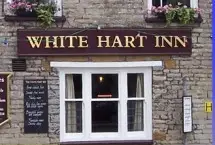
The White Hart Inn ( Dining / Other ). Set in the centre of historic Somerton, the White Hart Inn is one of the town's oldest hostelries. It was first mentioned in parish records in 1732 but undoubtedly boasts an earlier heritage. The present inn was reputedly built on the site of the former castle-palace of Ina - king of Wessex (688 - 728 AD) - and according to popular tradition still incorporates features of 'The Castle' including an ancient staircase leading to a small room where King John of France was held prisoner by Edward III in the 14th Century. With certainty some of the present structure dates from the early 15th Century and wonderfully preserved barrel vaulting from this period still supports the ceiling of the landing and Conference Room.